
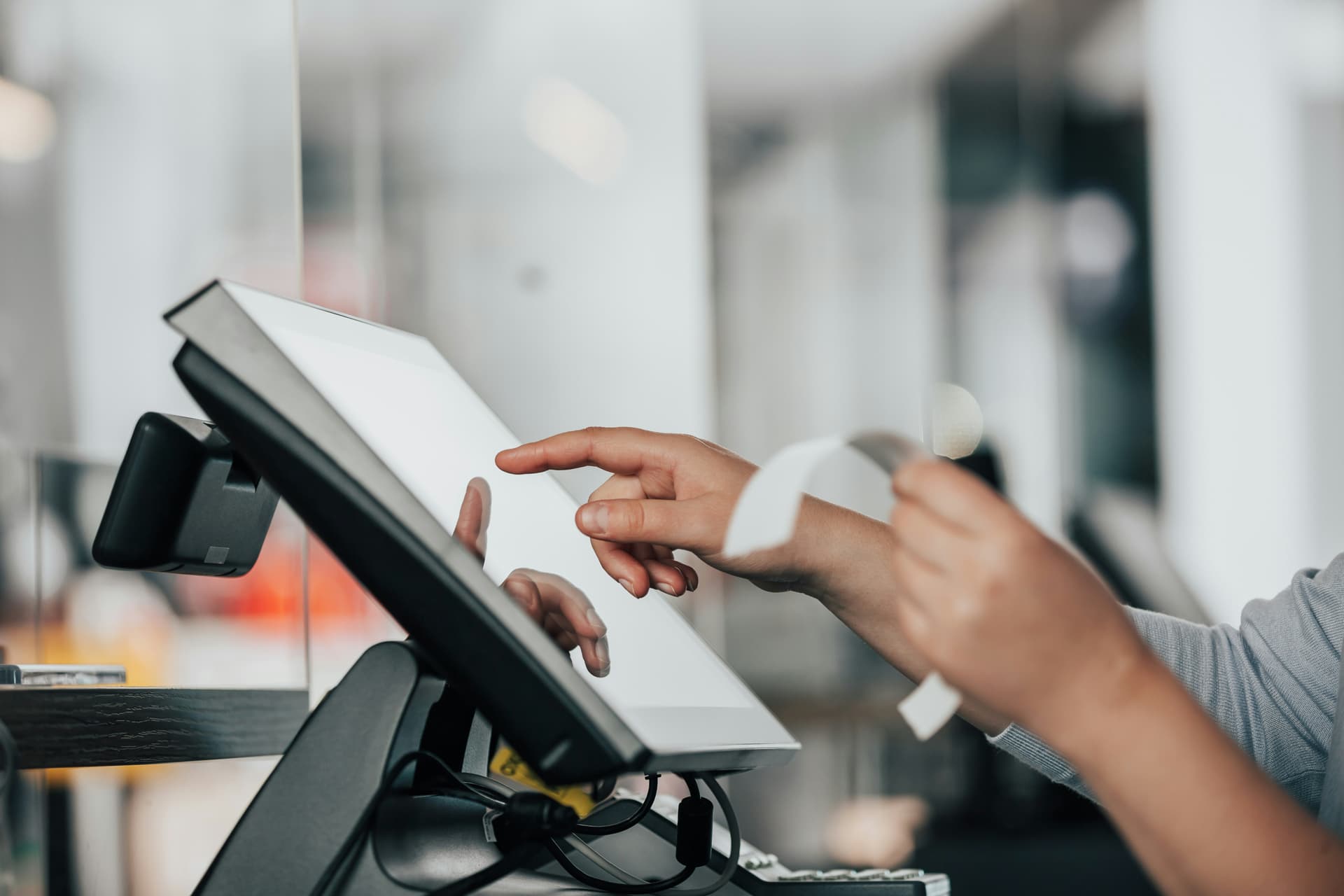
Effective table management is vital for restaurant operations, and a restaurant POS system plays a crucial role in streamlining this process. POS systems designed for restaurants offer features such as table mapping, reservation management, order routing, and waitlist management. By leveraging a restaurant POS system, establishments can optimize table turnover, enhance customer service, and improve overall dining experiences.
Efficient table management is crucial for running a successful restaurant. A well-organized seating arrangement and timely table turnover can significantly impact customer satisfaction and overall profitability. Implementing a restaurant point-of-sale (POS) system with advanced table management features can streamline operations, optimize seating, and enhance the dining experience.
In this article, we will explore the benefits of using a POS system to streamline table management in restaurants.
One of the key advantages of a POS system for table management is the ability to create a digital floor plan.
Instead of relying on pen and paper or manual tracking methods, a POS system allows you to visualize your restaurant’s layout digitally. You can set up the floor plan to mirror the physical layout of your establishment, including tables, sections, and even special seating areas.
This digital floor plan provides an at-a-glance view of table availability, making it easier to manage seating and accommodate customer preferences.
With a POS system’s table management functionality, you can track table statuses in real time. As customers arrive and leave, your staff can quickly update the system, indicating table availability. This real-time information allows hosts or hostesses to efficiently seat incoming guests, reducing wait times and ensuring a smooth dining experience. It also eliminates the risk of double bookings or overbooking of tables.
Moreover, a POS system can track dining durations and table turnover times. By analyzing historical data, you can identify patterns and average table turnover rates for different party sizes or dining times. This information helps you optimize seating arrangements and estimate wait times more accurately. You can strategically manage reservations or walk-ins, ensuring a steady flow of customers and minimizing downtime between table turnovers.
Additionally, a POS system can integrate with your reservation system, allowing for seamless management of table bookings. When customers make reservations, the system can automatically update table availability, ensuring that reserved tables are not double-booked. It can also send automated reminders to customers, reducing no-shows and optimizing table utilization. Integration between reservation and POS systems streamlines the reservation process and minimizes manual errors.
Furthermore, a POS system can enhance communication between front-of-house and back-of-house staff. When a table is seated, the POS system can send notifications to the kitchen or bar, alerting them to start preparing the order. This streamlines the order flow, reduces communication errors, and ensures timely service. It also enables staff to provide accurate wait times to incoming customers, manage customer expectations, and deliver a high level of customer service.
In conclusion, implementing a restaurant POS system with robust table management features offers significant benefits in streamlining operations and enhancing the dining experience. From creating a digital floor plan and real-time table status updates to tracking dining durations and integrating with reservation systems, a POS system optimizes table management, reduces wait times, and improves overall efficiency. By investing in a reliable POS system, restaurant owners can effectively manage table seating, maximize capacity, and ultimately provide an exceptional dining experience to their customers.
